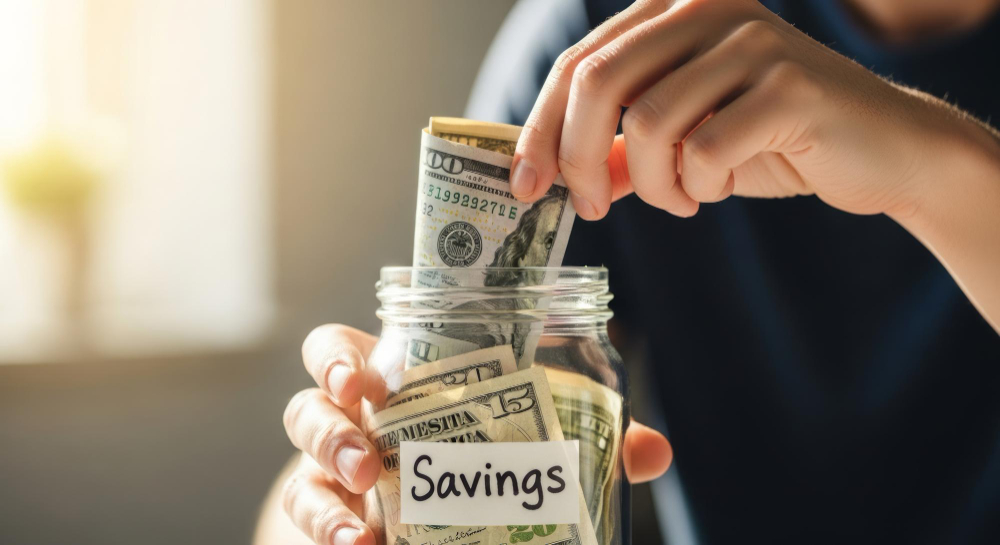
Saving money has become one of the most important financial skills in today’s world, especially when living costs continue to rise and income stability is not always guaranteed. The concept of gomyfinance.com saving money revolves around building practical, structured, and realistic financial habits that help individuals take control of their income instead of constantly struggling with expenses.
Platforms like GoMyFinance.com focus on simplifying personal finance by breaking it into easy steps such as budgeting, expense tracking, saving strategies, and financial goal setting. This guide provides a complete topical map of how saving money works in a real-life financial system and how you can apply these principles effectively.
Understanding the Concept Behind gomyfinance.com saving money
The idea behind gomyfinance.com saving money is not just about reducing expenses. It is about building a complete financial system where every rupee or dollar has a purpose.
Instead of random saving attempts, the approach focuses on:
- Organized budgeting systems
- Controlled spending behavior
- Consistent savings habits
- Long-term financial planning
- Smart financial decision-making
This structured approach helps individuals move from financial stress to financial stability.
Why Saving Money is a Core Financial Skill
Saving money is not optional—it is essential. Without savings, financial security becomes fragile.
1. Emergency Protection
Unexpected expenses such as medical bills, repairs, or job loss require instant financial backup.
2. Stress-Free Living
Financial pressure is one of the biggest causes of mental stress. Savings reduce that burden.
3. Future Financial Freedom
Savings allow you to invest, build assets, and achieve long-term goals.
4. Independence from Debt
Without savings, people often rely on loans or credit cards, which creates long-term financial pressure.
Complete Financial Topical Map of gomyfinance.com saving money
To fully understand this concept, we can break it into structured financial areas.
Budgeting: The Foundation of Financial Control
Budgeting is the first step in any saving system.
Key Budget Elements:
- Monthly income tracking
- Fixed expenses (rent, utilities, subscriptions)
- Variable expenses (food, travel, entertainment)
- Savings allocation
Common Budgeting Methods:
- 50/30/20 rule
- Zero-based budgeting
- Envelope method
A strong budget is the backbone of gomyfinance.com saving money strategy because it defines where your money should go before you spend it.
Expense Tracking: Knowing Where Your Money Goes
Many people lose money without realizing it due to untracked spending.
Benefits of Tracking Expenses:
- Identifies wasteful spending
- Shows spending patterns
- Helps adjust budget realistically
- Encourages financial awareness
Simple Tracking Methods:
- Mobile apps
- Spreadsheets
- Daily expense journaling
Once you track your expenses, saving money becomes much easier because you gain control over hidden spending leaks.
Smart Saving Strategies That Actually Work
Saving is not about limiting life—it is about optimizing it.
Effective Saving Methods:
Automatic Savings
Set automatic transfers to a savings account every month.
Goal-Based Savings
Assign savings to specific goals like:
- Emergency fund
- Travel fund
- Education fund
- Investment fund
Pay-Yourself-First Rule
Save money immediately after receiving income before spending on anything else.
This method is one of the strongest pillars of gomyfinance.com saving money philosophy.
Cutting Unnecessary Expenses Without Affecting Lifestyle
Reducing expenses does not mean reducing quality of life.
Common Spending Mistakes:
- Unused subscriptions
- Frequent online shopping
- Food delivery addiction
- Impulse purchases
Practical Solutions:
- Cancel unused services
- Plan weekly meals
- Follow a 24-hour purchase rule
- Compare prices before buying
Small adjustments can lead to significant monthly savings.
Building an Emergency Fund
An emergency fund is a financial safety cushion.
Ideal Structure:
- 3 to 6 months of essential expenses
- Stored in a separate account
- Easily accessible but not used casually
This fund ensures financial survival during emergencies and prevents unnecessary debt.
Debt Management and Financial Recovery
Debt can stop savings growth if not controlled properly.
Types of Debt:
- Credit card debt
- Personal loans
- Short-term loans
Smart Debt Reduction Methods:
- Snowball method (start small)
- Avalanche method (high interest first)
- Debt consolidation options
Reducing debt increases your capacity to save and invest.
Increasing Income for Better Saving Potential
Saving is easier when income increases.
Income Growth Ideas:
- Freelancing skills
- Online services
- Side businesses
- Part-time work
- Digital content creation
A higher income gives more flexibility in your gomyfinance.com saving money journey.
Smart Spending Habits for Long-Term Control
Saving money is not about restriction—it is about intelligence.
Smart Spending Rules:
- Focus on value, not price
- Avoid emotional buying
- Delay non-essential purchases
- Prioritize needs over wants
This mindset shift is critical for financial stability.
Long-Term Financial Planning
Saving money is only the first step. Real financial success comes from planning.
Long-Term Goals:
- Retirement planning
- Investments
- Wealth creation
- Passive income building
When saving and planning work together, financial independence becomes achievable.
Role of Digital Finance Platforms Like GoMyFinance.com
Modern financial platforms help users stay consistent.
GoMyFinance.com represents a simplified approach to personal finance where users can better understand budgeting, savings habits, and financial planning in one structured system.
Key Advantages:
- Easy financial tracking
- Better money awareness
- Improved saving discipline
- Structured financial learning
These tools support users in building consistent financial habits over time.
Common Mistakes That Stop People from Saving Money
Even with knowledge, many people struggle due to behavioral mistakes.
1. No Clear Budget Plan
Without planning, money is spent randomly.
2. Ignoring Small Expenses
Small daily costs add up quickly.
3. No Emergency Fund
This leads to borrowing during crises.
4. Emotional Spending Habits
Buying based on mood instead of need.
5. Inconsistency
Saving once is not enough—consistency builds wealth.
Simple Monthly Saving Framework
Here is a practical structure you can follow:
Income Breakdown:
- 50% essentials
- 30% lifestyle
- 20% savings
Additional Rules:
- Save first, spend later
- Track weekly expenses
- Review monthly progress
This simple system aligns well with gomyfinance.com saving money principles.
Final Thoughts
The idea behind gomyfinance.com saving money is not about strict limitations—it is about creating financial awareness, discipline, and long-term stability. When you follow structured budgeting, control expenses, and build consistent saving habits, your financial future becomes more secure and predictable.
Platforms like GoMyFinance.com support this journey by encouraging simple, practical money management strategies that anyone can follow.
Saving money is not a one-time action—it is a lifelong habit. And once it becomes part of your lifestyle, financial freedom becomes a realistic goal rather than just a dream.